Deep Cleaning
How Often Should You Deep Clean Your Home?
Expert recommendations based on household size, lifestyle, and Melbourne's climate
Find out the ideal deep cleaning frequency for your Melbourne home, based on factors like pets, children, allergies, and seasonal considerations unique to Melbourne's variable climate.
What Counts as a Deep Clean?
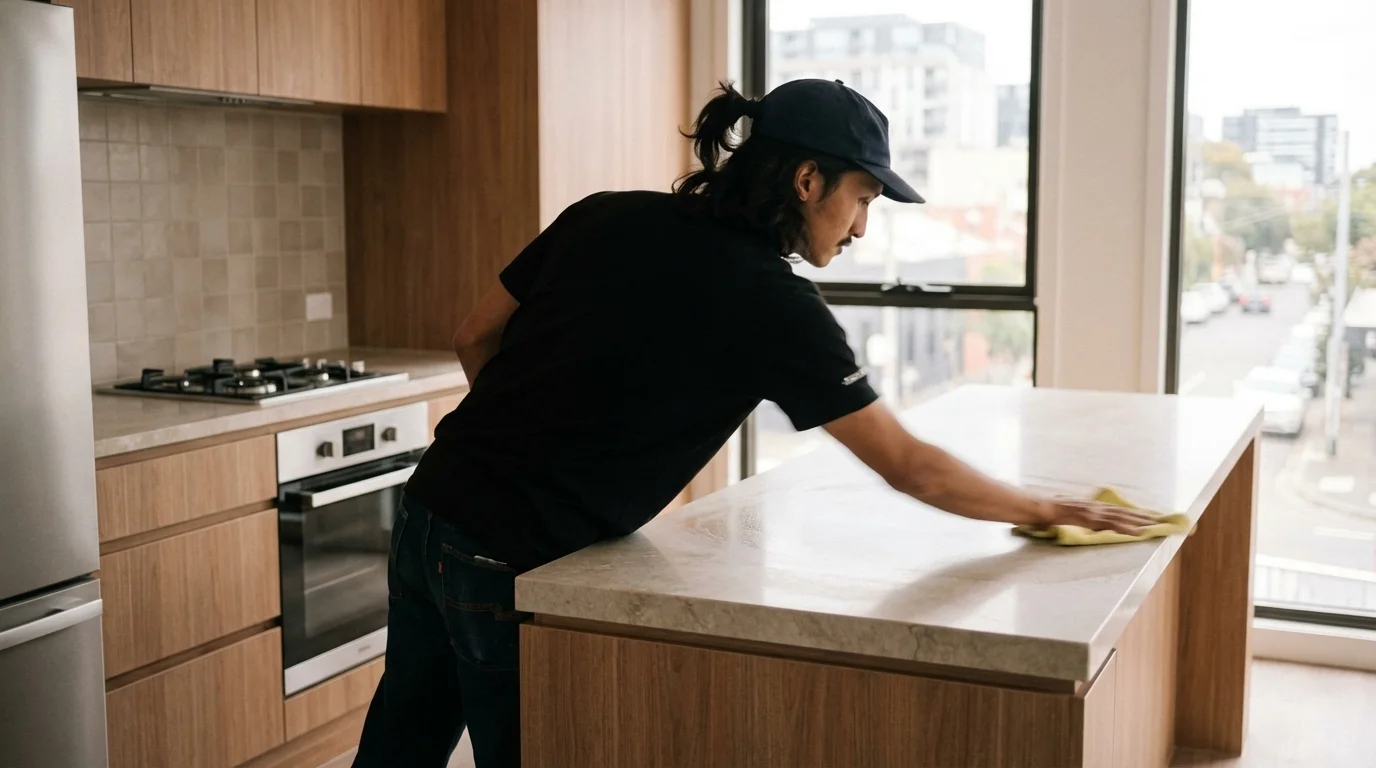
A deep clean goes well beyond the regular surface tidying that keeps your home presentable day to day. It targets the built-up grime, hidden dust, and accumulated residue in areas that weekly cleaning simply does not reach. Think of it as the difference between brushing your teeth daily and getting a professional dental clean. Both are essential, but they serve different purposes and operate at different levels of thoroughness.
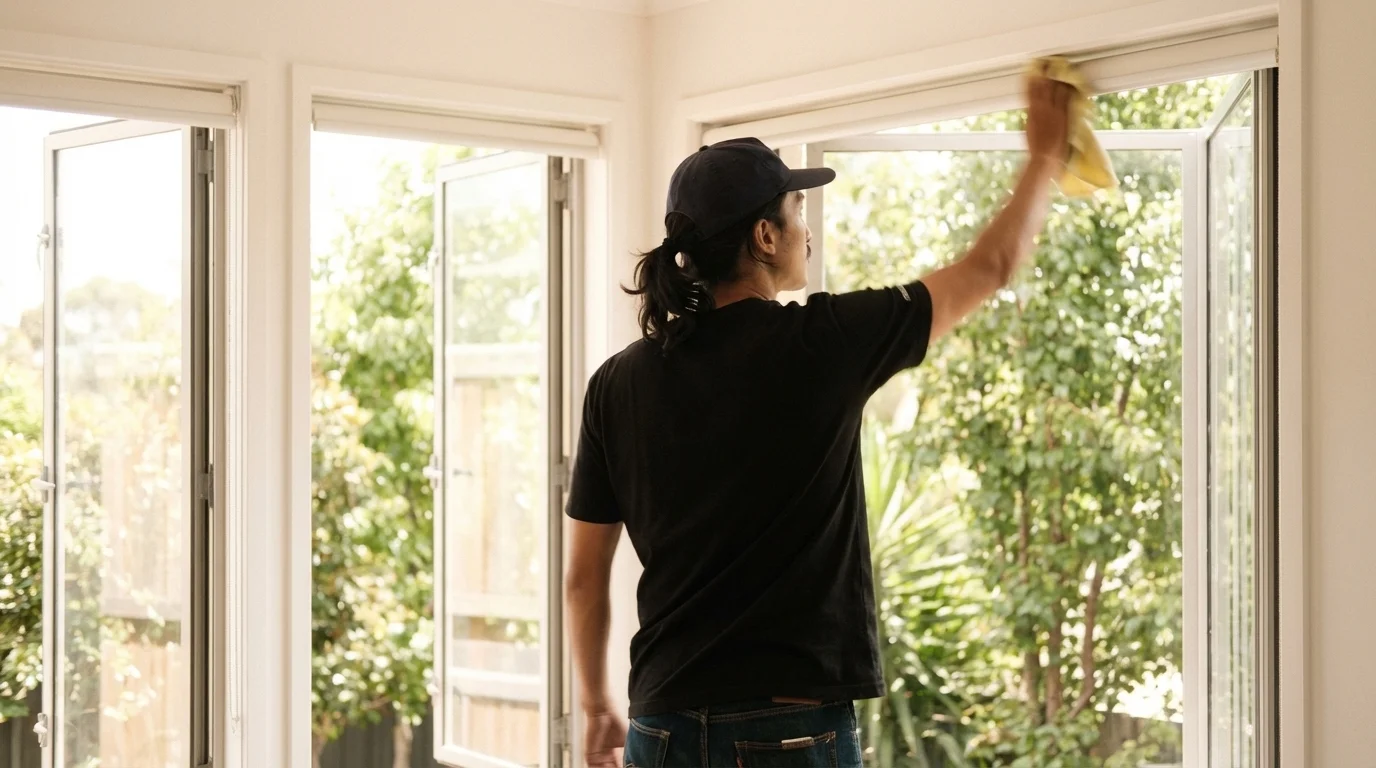
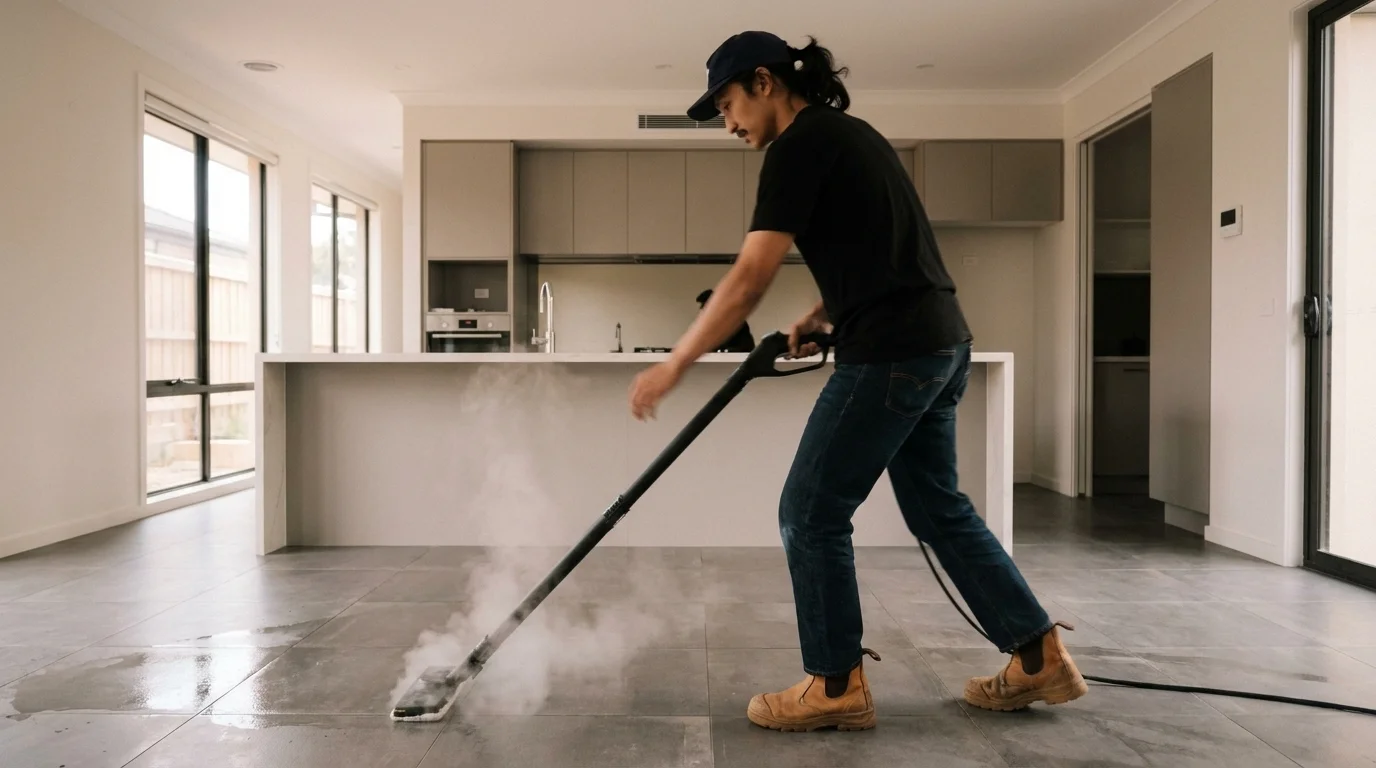
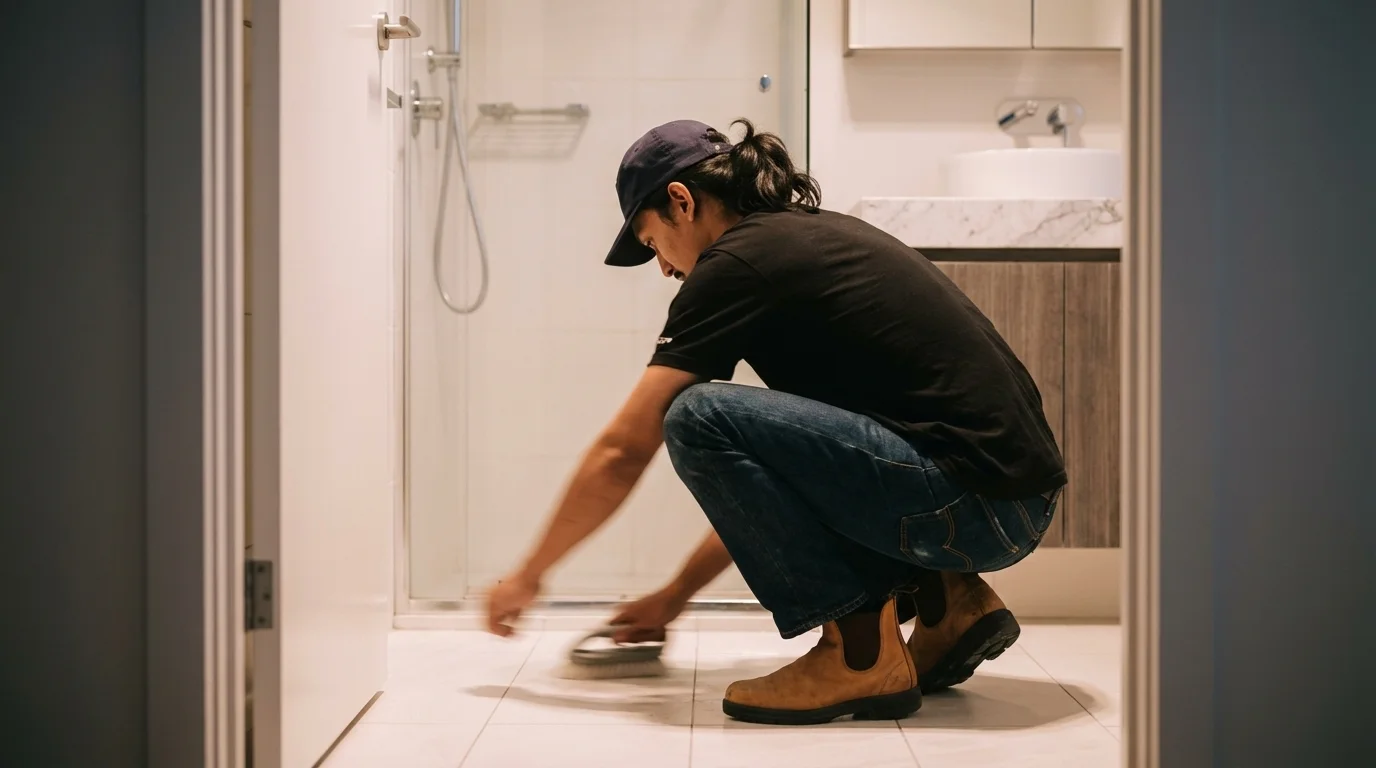
A genuine deep clean covers inside ovens and all kitchen appliances, behind and underneath furniture and appliances, tile grout scrubbing in bathrooms and kitchens, window track cleaning, skirting board and door frame detailing, ceiling fan and vent cleaning, upholstery treatment, mattress vacuuming, and the inside of cupboards, wardrobes, and drawers. For a standard three-bedroom Melbourne home, a thorough deep clean takes four to eight hours depending on size and condition, and addresses the twenty percent of your home that regular cleaning consistently misses.
The distinction matters because many people think their regular weekly clean covers everything, and then wonder why their home still feels not quite right after months of diligent maintenance. The answer is almost always those hidden areas where dust, grease, and biological matter accumulate slowly but steadily. A deep clean resets the baseline and gives you a genuinely fresh starting point.
Our house detailing service takes this concept even further. House detailing is what we call the process of making a home feel brand new. It covers the same scope as an end-of-lease clean but in a furnished home, reaching every surface, fixture, and corner with commercial-grade equipment and products. For homes that have not had a professional deep clean in over six months, the transformation is genuinely remarkable.
General Frequency Guidelines
The right deep cleaning frequency depends on your household composition, lifestyle, and specific circumstances. Based on our experience across hundreds of Melbourne homes, here are our recommended starting points.
For couples without pets living in an apartment or small home, a deep clean every three to four months is typically sufficient. Your day-to-day maintenance keeps things manageable, and quarterly deep cleans address the gradual accumulation in those hard-to-reach areas before it becomes visually apparent or affects air quality.
Families with children should schedule deep cleans every two to three months. Children generate more mess, more crumbs, more spills, and more contact with floors and surfaces than adults. They also tend to be more susceptible to dust mites and allergens, making regular deep cleaning a genuine health investment. Homes with young children in particular benefit from more frequent attention to floors, upholstery, and soft furnishings.
Pet owners need deep cleaning every six to eight weeks. Pet hair embeds in carpet fibres and upholstery at a rate that regular vacuuming cannot fully address. Pet dander is a significant allergen, and even well-groomed animals contribute to faster buildup of biological matter throughout the home. If you have multiple pets, monthly deep cleaning is worth considering.
Allergy and asthma sufferers should aim for monthly deep cleaning of key areas, particularly bedrooms, carpeted living spaces, and upholstered furniture. Dust mites, their waste products, and accumulated pollen are the primary indoor allergens in Melbourne homes, and they concentrate in soft furnishings and carpeting that regular surface cleaning does not adequately address.
Commercial spaces have different requirements. High-traffic offices and retail spaces may need weekly deep cleaning of specific zones, while lower-traffic professional offices can typically work on a monthly to quarterly schedule depending on foot traffic, the nature of the business, and client-facing requirements.
Ready for a Spotless Space?
Get a free, no-obligation quote from Melbourne's trusted cleaning professionals.
Get a Free QuoteFactors That Affect Cleaning Frequency
Melbourne's climate plays a significant role in how quickly your home needs deep attention. The city's famously variable weather means more tracked-in dirt across all seasons, and the humidity fluctuations between summer and winter create conditions that accelerate mould growth in bathrooms, laundries, and any poorly ventilated spaces.
During Melbourne's pollen season, which runs roughly from August through December, homes in tree-lined suburbs like Hawthorn, Kew, and Camberwell accumulate pollen on every surface at an accelerated rate. If anyone in your household has hay fever, increasing your deep cleaning frequency during this period makes a noticeable difference to indoor comfort.
The number of occupants directly correlates with cleaning frequency needs. A household of four generates roughly three times the dust, skin cells, hair, and general debris of a single-person household. More people means more cooking, more bathroom use, more laundry, and more foot traffic across all surfaces.
Whether shoes are worn indoors has a measurable impact. Research shows that shoes track in significantly more dirt, bacteria, and outdoor pollutants than bare feet or indoor-only footwear. Melbourne homes where shoes are routinely worn inside need more frequent deep cleaning, particularly of carpeted areas and entryway zones.
Cooking frequency and style matters more than most people realise. Regular home cooking, particularly methods that generate steam, grease vapour, or airborne particles like stir-frying, deep-frying, or roasting, accelerates grease and residue buildup throughout the kitchen and adjoining areas. Homes with open-plan kitchen and living layouts are particularly affected, as cooking residue spreads further.
Proximity to busy roads, construction sites, or industrial areas increases the rate of dust and particulate accumulation inside your home. Suburbs adjacent to major arterials or undergoing significant development will notice faster surface dust buildup than quieter residential streets.
Finally, your flooring type influences the equation. Carpet traps and holds significantly more dust, allergens, and debris than hard flooring. Homes with predominantly carpet need more frequent deep cleaning to maintain healthy indoor air quality, while homes with hard floors benefit from easier surface maintenance but still accumulate grime in grout lines, under furniture, and in corners.
Signs You Are Overdue for a Deep Clean
Your home will tell you when it needs deep attention if you know what to look for. These indicators suggest it has been too long since your last thorough clean.
Persistent musty smells that do not respond to airing out the house are a clear sign of accumulated dust, mould, or biological matter in carpets, upholstery, or hidden areas. If opening windows helps temporarily but the smell returns when the house is closed up, the source is embedded in your home's soft furnishings or hidden surfaces.
Visible grout discolouration in bathrooms and kitchens indicates mould or staining that has progressed beyond what surface cleaning can address. Grout is porous, and once discolouration has set in, it requires targeted treatment with appropriate products and physical scrubbing to restore.
Dust buildup on ceiling fans, air vents, and the tops of door frames is a reliable indicator. These areas are out of regular cleaning reach and accumulate at a steady rate. If you can see visible dust deposits on these surfaces, it has been too long since they received attention.
Sticky kitchen surfaces that resist regular wiping suggest grease vapour has deposited a fine film across surfaces over time. This is particularly common around stovetops, rangehoods, and on cabinet fronts near cooking areas. Regular wiping maintains the surface but does not cut through the accumulated grease layer underneath.
Bathroom tiles that look dull despite regular cleaning indicate soap scum and mineral deposit buildup that surface wiping cannot remove. Melbourne's water varies in hardness by suburb, but most areas produce enough mineral content to create visible buildup on glass, tiles, and tapware over three to six months.
If you find yourself sneezing more at home than elsewhere, or if allergy symptoms worsen indoors, dust mites and allergens have likely accumulated beyond what your regular cleaning routine can manage. This is one of the clearest signals that a professional deep clean is overdue.
The Cost-Benefit of Regular Deep Cleaning
Regular deep cleaning is not just about aesthetics. It is a practical investment that protects your property, your health, and your finances in measurable ways.
Deep cleaning extends the life of your fixtures, carpets, and appliances. Professional-grade products and techniques remove buildup that causes permanent staining, discolouration, or mechanical damage if left too long. Grease buildup in ovens reduces heating efficiency and can damage elements. Mineral deposits on tapware pit the finish over time. Embedded dirt in carpet fibres breaks down the pile through abrasion, reducing carpet life by years.
Think of deep cleaning like car servicing. Regular maintenance prevents costly repairs and replacements. A quarterly deep clean is an investment in your property's condition and your family's health that costs a fraction of replacing damaged carpets, refinishing dulled tapware, or addressing mould that has penetrated building materials.
For Melbourne rental properties, regular deep cleaning during your tenancy makes the end-of-lease clean significantly easier and less expensive. Properties that have been deep cleaned quarterly throughout a tenancy typically require a standard end-of-lease clean. Properties that have not been deep cleaned may require extensive additional work, including wall washing, grout restoration, and carpet treatments that add to the final cost.
From a health perspective, research consistently shows that regular deep cleaning reduces indoor allergen levels, improves respiratory comfort, and creates a measurably healthier living environment. For Melbourne households with children, pets, or allergy sufferers, the health return on a quarterly deep clean genuinely outweighs the cost.
Our deep cleaning service for a standard three-bedroom Melbourne home ranges from four hundred to seven hundred dollars depending on scope and condition. For most families, that translates to roughly three to five dollars per day for the quarter until the next clean. Considered in those terms, it is one of the most practical investments you can make in your home's comfort and your family's wellbeing.
Book a Free Consultation
Speak with our team about your cleaning needs, we'll tailor a solution for your space.
Schedule a Call