Seasonal
Spring Cleaning in Melbourne: The Complete Room-by-Room Guide
Transform your home from winter hibernation to spring freshness
A detailed, room-by-room spring cleaning guide tailored for Melbourne homes, with tips for tackling winter grime, pollen management, and preparing for warmer months ahead.
Why Spring Cleaning Is Essential
After months of closed windows, recycled heating air, and the general hibernation that Melbourne's winter encourages, every room in your home has accumulated layers of dust, allergens, and stale air that regular weekly cleaning has not fully addressed. Spring cleaning is your annual reset, the opportunity to deep clean every surface, clear out what you no longer need, and start the warmer months with a genuinely fresh home.
Melbourne's transition from winter to spring is particularly dramatic. The shift from closed, heated interiors to open windows and outdoor living means your home needs to adapt. Ducted heating vents that have been circulating dust for months need cleaning. Windows that have been sealed shut accumulate condensation residue in their tracks. Carpets that have borne the brunt of months of indoor living are compacted with dust mites, dead skin cells, and tracked-in debris.
Spring is also the ideal time to assess wear and tear from winter and address any maintenance issues before they worsen. Mould that established itself in bathroom corners during winter will accelerate in spring's warmer, humid conditions if not treated now. Grout that has discoloured will only get worse. Minor issues identified and addressed during your spring clean prevent major problems later in the year.
For Melbourne homes in established suburbs where mature gardens create significant pollen loads from September onwards, a thorough spring clean before pollen season peaks means you are starting from a clean baseline rather than fighting both accumulated winter grime and incoming spring allergens simultaneously.
Kitchen: The Heart of the Home
The kitchen deserves the most attention during spring cleaning because it accumulates the heaviest buildup over winter when cooking increases. More roasts, soups, slow-cooked meals, and comfort food means more grease vapour, more splatter, and more residue on every surface.
Start with the oven, which is invariably the most labour-intensive kitchen task. Remove all racks and trays and soak them in hot water with degreaser while you tackle the oven interior. Apply a quality oven cleaner or eco-friendly degreaser to all interior surfaces, including the roof, sides, floor, and door glass. Let it work for at least thirty minutes while you move on to other areas. For ovens with removable door glass, disassemble and clean between the panels where grease and moisture accumulate.
The rangehood and its filter are next. Mesh filters should be soaked in hot soapy water with a degreaser for twenty minutes, then scrubbed with a brush and rinsed thoroughly. If your filters are warped, discoloured beyond cleaning, or more than two years old, replace them. A clean rangehood filter improves extraction efficiency substantially, keeping grease out of your kitchen air.
Clean inside the dishwasher by removing the filter assembly and cleaning it under running water, wiping the door seals where black residue accumulates, and running an empty hot cycle with white vinegar or a dishwasher cleaner. The fridge deserves similar attention. Remove all shelves and drawers, wash them in warm soapy water, and wipe the interior with a baking soda solution that deodorises as it cleans. While shelves are out, pull the fridge away from the wall and clean behind and underneath where dust bunnies grow remarkably large over a Melbourne winter.
Empty the pantry completely. Check expiry dates, wipe all shelves, and reorganise as you restock. Spring is the perfect time to discard items you will never use and streamline your pantry organisation.
Finish with all cupboard fronts, which accumulate a fine grease film from cooking vapour, splashbacks, benchtops, the sink and drainer, and all tapware. Clean inside drawers and the tops of upper cabinets where dust settles invisibly.
Bathroom: Fighting Mould Season
Melbourne's winter humidity combined with warm, steamy bathrooms creates ideal conditions for mould growth, and spring is when you need to address whatever has established itself during the cooler months. Left untreated, bathroom mould accelerates during spring and summer when warmer temperatures promote faster growth.
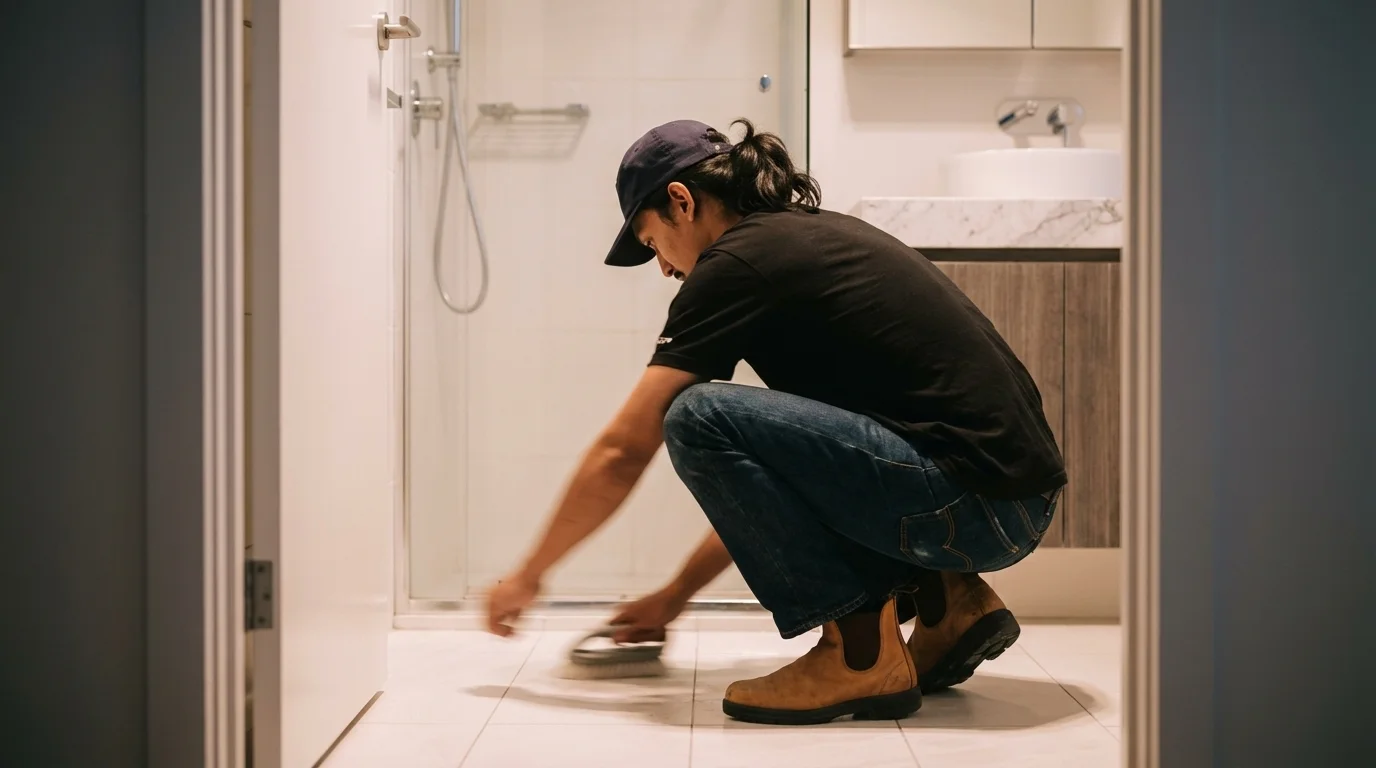
Address mould on grout lines first. Apply a hydrogen peroxide solution or eco-friendly mould treatment to affected areas and let it dwell for fifteen to thirty minutes before scrubbing with a grout brush. For extensive grout mould, professional treatment with commercial-grade products achieves results that consumer products cannot match.
Silicone sealant around showers, baths, and basins is a common mould harbour. Surface mould on silicone sometimes responds to treatment, but black mould that has penetrated into the silicone itself cannot be fully removed. In these cases, removing the old silicone and applying fresh sealant is the most effective solution. This is a relatively inexpensive fix that makes an immediate visual difference and eliminates a mould reservoir.
Descale shower heads by soaking them in a citric acid or white vinegar solution for two to four hours. Melbourne's water contains enough minerals to build up deposits that reduce water flow and harbour bacteria. While you are at it, descale taps and clean around tap bases where mineral deposits and grime accumulate.
Clean exhaust fans properly. Remove the cover, vacuum out accumulated dust, wipe the cover clean, and check that the fan operates freely. A dusty, inefficient exhaust fan is one of the primary contributors to bathroom moisture problems. If your bathroom lacks an exhaust fan entirely, as is common in older Melbourne homes, discuss mechanical ventilation options with an electrician.
Replace or deep clean shower curtains, clean behind the toilet thoroughly including the base and wall connection, and scrub the shower floor drain. These are the areas most often overlooked in weekly bathroom cleaning that spring cleaning should catch.
Book a Free Consultation
Speak with our team about your cleaning needs, we'll tailor a solution for your space.
Schedule a CallLiving Areas: Refreshing Shared Spaces
Living areas have borne the brunt of winter's indoor living and need thorough refreshing as the seasons change. Start with soft furnishings. Vacuum all upholstery thoroughly, working into seams, under cushions, and along the backs of sofas and armchairs where crumbs, pet hair, and dust accumulate throughout winter. For removable cushion covers, check care labels and wash what you can.
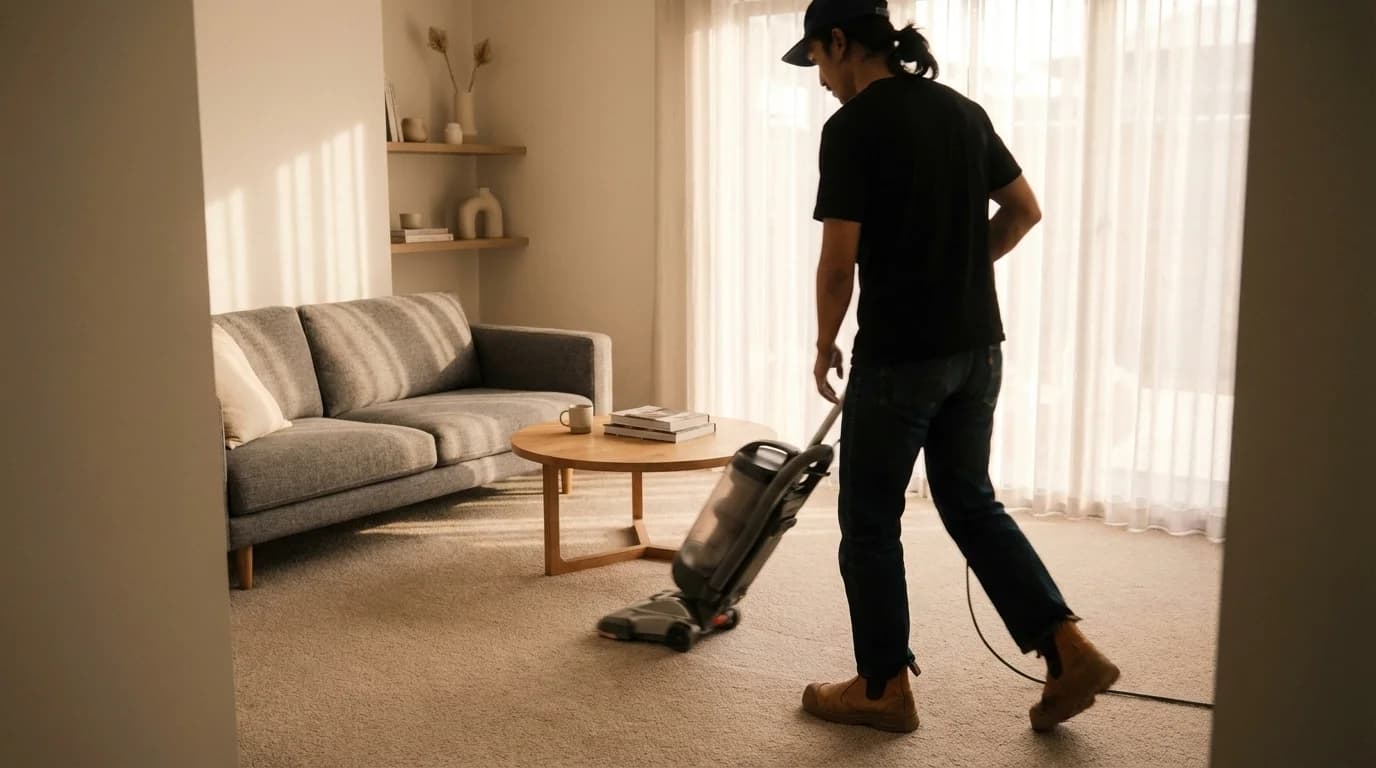
If you have carpet, spring is the ideal time for professional steam cleaning. After a full winter of heavy foot traffic, carpets hold compressed dust, allergens, and tracked-in soil that vacuuming alone cannot remove. Professional steam cleaning extracts embedded debris, refreshes carpet fibres, and kills dust mites. The improvement in both appearance and air quality is immediately noticeable.
Clean all light fixtures, including pendant lights, downlight covers, and any decorative lamps. Dust accumulates on light fittings steadily and reduces light output. Clean fixtures genuinely brighten a room. Ceiling fans should be wiped on all blade surfaces, top and bottom, before you start using them for summer cooling.
Clean air conditioning vents and return air grilles. These accumulate dust over winter and will distribute that dust through your home the first time you run the cooling system. A vacuum with a brush attachment handles most vent cleaning, though heavily clogged grilles benefit from removal and washing.
Wash curtains or have them dry cleaned. Heavy winter curtains trap enormous amounts of dust and can harbour mould if they have been in contact with condensation on windows. Clean all window tracks, both runners and sills, removing accumulated debris and wiping with a damp cloth. Open windows fully and let fresh spring air flow through your home while you work.
Bedrooms: Creating a Healthy Sleep Environment
Your bedroom's cleanliness directly affects your sleep quality and respiratory comfort. Spring is the time for a complete bedroom refresh that goes well beyond changing the sheets.
Start with mattresses. Flip or rotate them according to the manufacturer's recommendations, then vacuum the entire surface using an upholstery attachment. Mattresses accumulate dust mites, dead skin cells, and moisture over time, and vacuuming is the most effective household method for reducing these. For mattresses older than two years without professional treatment, a professional steam clean kills dust mites and removes embedded biological matter that vacuuming cannot reach.
Wash all pillows. Most synthetic and down pillows are machine washable on a gentle cycle, though always check care labels. Pillows should be washed two to four times per year and replaced every two to three years. Melbourne's moderate humidity means pillows retain moisture more than in drier climates, making regular washing particularly important.
Launder all doonas, blankets, and bed covers. Heavier winter-weight items may need professional laundering if they exceed your machine's capacity. As you transition to lighter summer bedding, store winter items clean and dry in breathable storage bags rather than plastic containers that trap moisture.
Clean inside wardrobes completely. Remove everything, vacuum the floor and shelves, wipe all surfaces, and sort through your clothing. This is the ideal time to transition from winter to summer wardrobe, donating anything you did not wear this winter. A decluttered wardrobe is easier to maintain, and clearing space improves air circulation around your clothing.
Dust all bedroom surfaces including bedside tables, dressers, and shelving. Wipe skirting boards, light switches, and door handles. Clean mirrors and any bedroom windows including tracks. If your bedroom has carpet, vacuum thoroughly and consider professional steam cleaning, particularly if you suffer from allergies or wake with congestion.
Outdoor and Exterior Areas
Melbourne's outdoor spaces transition from winter dormancy to high-use entertaining areas in spring, and they need attention before you start hosting outdoors.
Pressure wash driveways, patios, paths, and any paved outdoor areas. Winter's combination of rain, fallen leaves, and reduced sunlight creates algae and moss growth on paved surfaces, particularly on south-facing areas that get limited direct sun. Pressure washing restores the appearance and removes slip hazards.
Clean outdoor furniture thoroughly. Wipe down table and chair surfaces, scrub any mould from cushions or fabric, and check for any structural issues after winter's weather. Teak and timber furniture may benefit from oiling or re-sealing after winter exposure.
Check for cobwebs around eaves, entry points, corners of verandahs, and around exterior lighting. Spiders establish webs in sheltered spots over winter and spring is when they become most active and visible.
Wash exterior windows. After a Melbourne winter of rain spots, wind-blown debris, and general environmental grime, clean exterior windows make a dramatic difference to how your home looks and how much natural light enters your rooms. If you have multi-storey windows or difficult access, this is a job for professional window cleaners with appropriate equipment.
Clear gutters and check that downpipes are flowing freely. Melbourne's autumn leaf fall combined with winter debris means gutters are often partially or fully blocked by spring. Blocked gutters cause overflow during spring rains that can lead to water damage, staining on walls, and moisture intrusion. This is preventive maintenance that saves significant repair costs.
When to Call in the Professionals
A professional spring clean covers everything on this list in a single day, using commercial-grade equipment and products that deliver results beyond what household tools can achieve. It is consistently the most popular service we offer, and for good reason. A thorough professional spring clean sets your home up for an easy-maintenance summer where weekly upkeep is genuinely manageable.
The ideal timing for booking is early September, before the spring cleaning rush begins. From mid-September through November, demand for professional cleaning services in Melbourne surges as households, rental properties, and commercial spaces all seek the same seasonal reset. Early booking guarantees your preferred date and time.
Our team can handle everything from a studio apartment to a five-bedroom family home. For larger properties or homes that have not had a professional deep clean in over twelve months, we may recommend a two-day service that covers the interior on day one and exterior areas on day two. This ensures every area receives the thorough attention it deserves without rushing.
For homes in Melbourne's leafy eastern suburbs where pollen is a significant factor, we recommend scheduling your spring clean for late September or early October, after the initial pollen wave but before the peak of November and December. This timing gives you a clean, allergen-reduced home heading into the worst of pollen season.
Whether you tackle spring cleaning yourself or work with our team, the investment in a thorough seasonal reset pays dividends throughout the warmer months. A home that starts summer clean stays clean with minimal effort. A home that carries winter's accumulated grime into summer never quite feels right, no matter how much weekly maintenance you do.
Questions? We're Here to Help
Call us directly or send through your details. We typically respond within 24 hours.
Contact Us